
How Substitutions Hurt Your Bottom Line
- Jul 8, 2025
- 1 min read
Updated: Aug 11, 2025
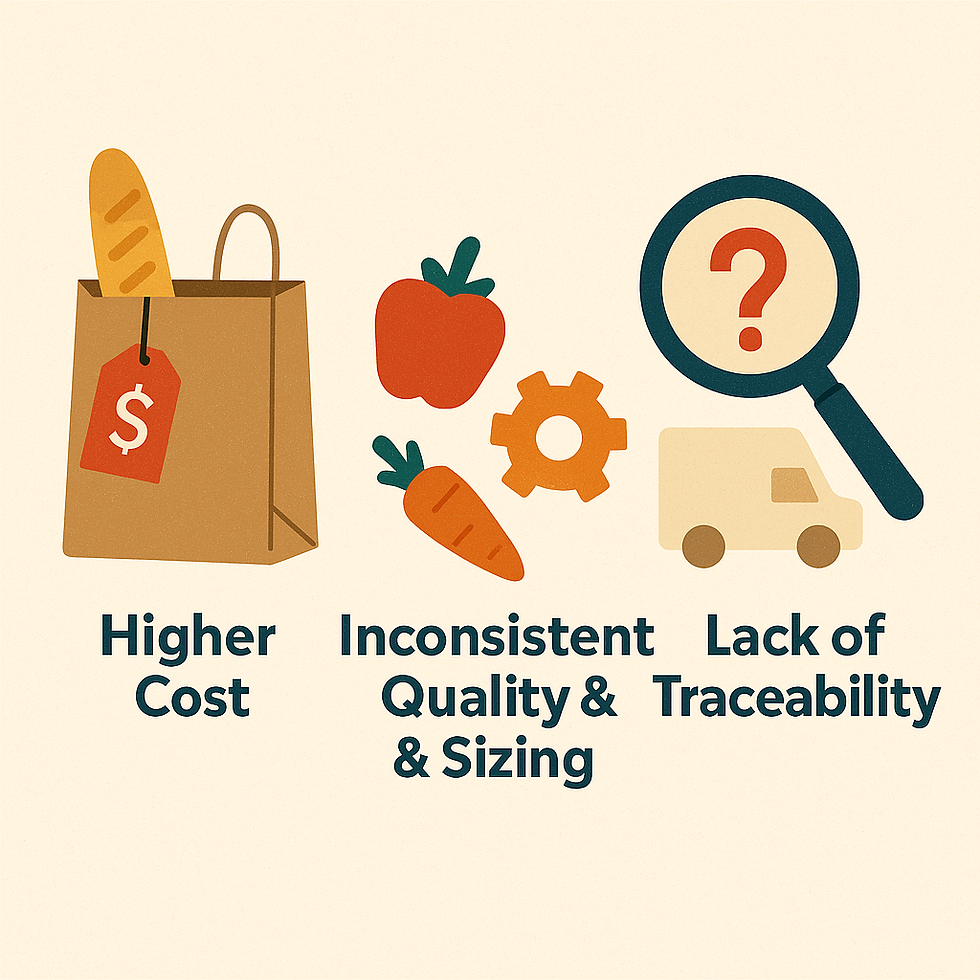
Let’s take a moment to define what we mean by “substitution.” We're talking about times when your back-of-house team purchases ingredients from retail channels (like grocery stores) instead of using your foodservice distributor.
Often, the reason is price—but ironically, this habit usually costs more than it saves. Here’s why:
1. Higher Costs
Retail prices are marked up compared to bulk pricing. Even small purchases add up quickly and erode profit margins.
2. Inconsistent Quality & Sizing
Grocery items vary in grade, ripeness, size, and cut, which can:
Disrupt portion control
Alter cooking times
Affect presentation and taste
3. Lack of Traceability
Retail food products often don’t come with the lot numbers or supplier logs needed for food safety compliance. This makes it harder to manage recalls or foodborne illness incidents.
While these substitutions might seem minor, they reflect a larger issue: operational standards. So here’s the question—are substitutions allowed in your kitchen?
If not, or if you want to tighten the process, start with these steps:
Review the ordering process before this week’s order. Are the right calculations being used?
Clarify the re-order and substitution policy. When are they acceptable—and who approves them?
Protect your chef’s time. They shouldn't be making grocery runs. Ensure the team plans ahead.
This is where weekly accountability comes in. The numbers tell part of the story—but your team’s behavior tells the rest. Build habits that protect your profits.



Comments